Penis Envy Magic Mushrooms in Australia: Research, Public Health and Scientific Understanding
What Are Penis Envy Magic Mushrooms?
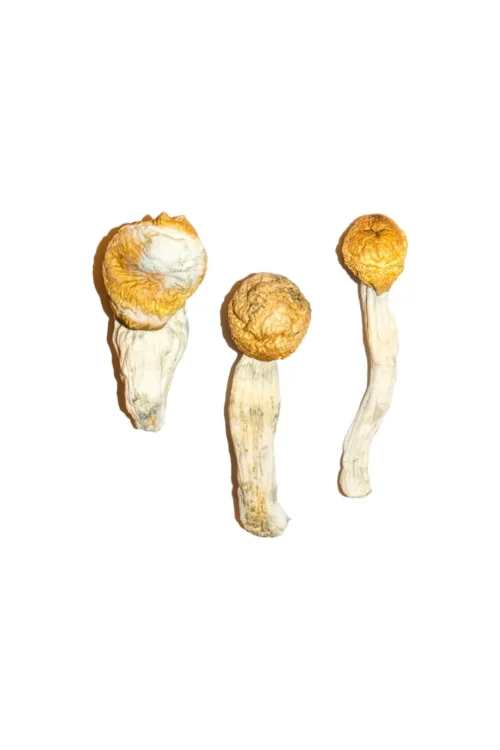
Penis Envy is a well-known cultivated variety associated with the species Psilocybe cubensis Penis Envy Magic Mushrooms.
It is frequently discussed within mycology communities and scientific literature because of its distinctive appearance.
Researchers generally distinguish mushroom varieties from purified psilocybin used in clinical studies.
Scientific research focuses on the active compound rather than specific cultivated varieties.
Consequently, educational information should separate recreational claims from evidence-based findings.
Many online discussions contain unverified information.
Readers should therefore rely upon peer-reviewed research and recognised Australian health organisations.
Understanding fungal biology improves scientific literacy and encourages informed public discussion.
Current Scientific Research| Penis Envy Magic Mushrooms
Australian and international researchers continue investigating psilocybin within carefully controlled clinical environments.
These studies evaluate potential therapeutic applications for selected mental health conditions.
Current research includes treatment-resistant depression, anxiety disorders, post-traumatic stress disorder, and obsessive-compulsive disorder.
Importantly, participants receive extensive medical screening before enrolment.
Qualified psychiatrists supervise every stage of treatment.
Researchers also combine psilocybin with structured psychotherapy rather than using the substance independently.
Australian institutions continue expanding this evidence base.
Several ongoing studies examine effectiveness, safety, long-term outcomes, and patient wellbeing.
Although early findings appear encouraging, researchers emphasise that additional large clinical trials remain necessary before broader medical applications become established.
Public Health Information for Australians
Australian health authorities recommend obtaining information from reliable medical and scientific sources.
Wild or cultivated mushrooms may vary considerably in chemical composition.
Appearance alone cannot determine safety.
Misidentification remains a significant public health concern.
Several poisonous mushroom species resemble psychoactive mushrooms.
Accidental poisoning continues to occur worldwide.
Symptoms may include severe nausea, vomiting, confusion, dehydration, hallucinations, seizures, liver injury, or other medical emergencies.
Anyone experiencing concerning symptoms after consuming unidentified mushrooms should seek immediate medical care.
Parents should also ensure children avoid touching or eating wild mushrooms.
Pet owners should remove unidentified fungi from gardens because animals may accidentally consume them.
Education remains one of Australia’s strongest public health tools.
Australian Laws and Medical Developments
Australia regulates psilocybin under strict legal frameworks.
Outside authorised medical settings, possession and use may remain unlawful depending on Commonwealth and state legislation.
Since 2023, specially authorised psychiatrists have been permitted to prescribe pharmaceutical-grade psilocybin for specific patients with treatment-resistant depression under tightly regulated clinical conditions.
Treatment occurs alongside structured psychotherapy and specialist oversight.
This approval does not apply to wild or cultivated mushrooms intended for personal use.
Individuals seeking current legal information should consult official Australian Government resources because legislation may change over time.
Evidence-Based Learning and Future Research
Interest in psychedelic medicine continues expanding across Australia.
Researchers hope future studies will improve understanding of how psilocybin affects the brain, cognition, emotional processing, and mental health.
Australian universities continue developing registries and clinical trials that collect important safety and effectiveness data.
These projects contribute to responsible scientific progress while maintaining strong ethical standards.
Education should always encourage critical thinking.
Reliable information helps reduce misinformation surrounding psychedelic substances.
Readers benefit most when they consult qualified healthcare professionals and peer-reviewed scientific research.
Trusted Australian Resources
For evidence-based information, readers can consult the following official resources:
Australian Government Department of Health and Aged Care:
https://www.health.gov.au
Australian National University – School of Medicine and Psychology:
https://medicine-psychology.anu.edu.au
These organisations provide reliable information on mental health, public health, and ongoing Australian research into psychedelic-assisted therapies.

Reviews
There are no reviews yet.