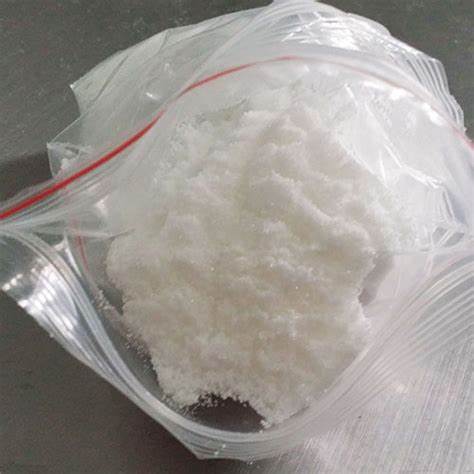
Buy Lidocaine Powder
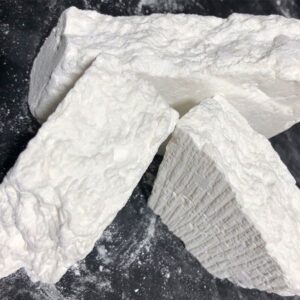
As a Lidocaine Powder supplier, Lidocaine Powder is a common local anesthetic powder and pain relief drugs. Lidocaine Powder is use topically to relieve itching, burning, and pain from skin inflammations, inject as a dental anesthetic, or use as a local anesthetic powder for minor surgery.
Lidocaine Powder replaces procaine,being widely use in plastic and cosmetic operation in local infiltration anesthesia, the sodium channel inhibition of the nerve cell membrane to block nerve excitability and conduction.
Lidocaine Powder, on the other hand, has the advantage of a rapid onset of action. It can stop Epinephrine vasoconstricts arteries form bleeding, and it can also delays the resorption of lidocaine powder, almost doubling the duration of anaesthesia.
For surface anesthesia several formulations are available that can be use e. G. For endoscopies, before intubations etc. Buffering the pH of lidocaine powder makes local freezing less painful. Lidocaine powder drops can be use on the eyes for short ophthalmic procedures.
Lidocaine Powder Application:
1.Topical lidocaine powder has been shown in some patients to relieve the pain of postherpetic neuralgia (a complication of shingles), though not enough study evidence exists to recommend it as a first-line treatment. Intravenous lidocaine powder also has uses as a temporary fix for tinnitus. Although not completely curing the disorder, Lidocaine powder has been shown to reduce the effects by around two-thirds. Lidocaine powder administered intravenously or intramuscularly, is specifically indicate in the acute management of ventricular arrhythmias such as those occurring in relation to acute myocardial infarction, or during cardiac manipulation, such as cardiac surgery.
2.Lidocaine powder works by temporarily blocking this pathway of pain signals along nerves. Lidocaine powder does this by stopping the sodium entering the nerve ending at the site of the pain. This prevents an electrical signal building up and passing along the nerve fibres to the brain. Lidocaine powder is also use in the emergency treatment of heart rhythm disturbances, particularly in cases of suspect or proven heart attack. Lidocaine powder is given by intravenous infusion or intravenous bolus injection.
Lidocaine Powder: Uses, Safety, Regulation and Australian Health Information
What Is Lidocaine?
Lidocaine, also known as lignocaine, is a local anaesthetic that temporarily reduces sensation in a specific area.
Medical formulations are used for local and regional anaesthesia, including infiltration, nerve blocks and certain other procedures. The TGA has register lidocaine medicines for these purposes.
Lidocaine is also found in regulate topical products, including creams and other preparations intend for specific medical uses.
What Does Lidocaine Powder Mean?
“Lidocaine powder” generally refers to lidocaine in a powdered chemical form rather than a finish medicine.
However, raw powder should not automatically be consider equivalent to a register pharmaceutical product. Medical medicines are manufacture with controls covering identity, concentration, formulation, sterility and quality.
A powder obtained from an unknown source may therefore present additional uncertainty regarding purity and composition.
Medical Uses of Lidocaine
Lidocaine has an established role in medicine as a local anaesthetic.
The TGA lists registered lidocaine products for producing local or regional anaesthesia, including peripheral nerve blocks and other clinical procedures.
Some lidocaine-containing products are also registered for topical use. For example, the TGA’s ARTG includes lidocaine topical anaesthetic cream.
Lidocaine Regulation in Australia
Lidocaine is subject to Australia’s Poisons Standard, with its scheduling depending on the formulation and concentration.
The TGA has documented Schedule 2, Schedule 4 and Schedule 5 entries covering different lidocaine preparations. Therefore, the regulatory status cannot be determined simply from the word “lidocaine.”
The Australian Register of Therapeutic Goods provides information about therapeutic products legally supplied in Australia.
Risks of Unregulated Lidocaine Powder
Unregulated powder can create risks because the purchaser may not know its actual concentration, purity or formulation.
Lidocaine toxicity can affect the nervous and cardiovascular systems. Using an inappropriate formulation or excessive exposure can therefore have serious consequences.
Medical formulations are designed for specific routes of administration, so raw powder should not be treated as interchangeable with an approved cream, gel or injectable medicine.
Topical Lidocaine Safety
Even topical lidocaine requires appropriate use.
The TGA has reported serious adverse events involving excessive exposure to lidocaine/prilocaine topical cream in infants. Severe toxicity can involve methaemoglobinaemia, seizures and potentially death.
This illustrates why concentration, formulation, application area and patient characteristics matter when using local anaesthetics.
Powder Versus Pharmaceutical Formulations
A pharmaceutical lidocaine product is formulate for a defined medical purpose.
For example, the TGA has registered lidocaine injections with specified concentrations and formulations for clinical anaesthesia.
Raw powder does not provide the same assurance simply because it carries the same chemical name.
Australian Health and Safety Information
Anyone considering lidocaine for a medical purpose should use a legitimate therapeutic product and follow the product information or advice provided by a healthcare professional.
If someone develops concerning symptoms after exposure to lidocaine, seek urgent medical assistance. Severe symptoms such as seizures, breathing problems, loss of consciousness or serious cardiovascular symptoms require emergency attention.
Conclusion
Lidocaine is an established local anaesthetic with a range of regulated medical applications.
However, lidocaine powder should not be assum to be equivalent to a pharmaceutical formulation. Australian regulation depends on the product’s formulation, concentration and intended use, while unregulated powders can introduce additional quality and safety uncertainties.
Reviews
There are no reviews yet.