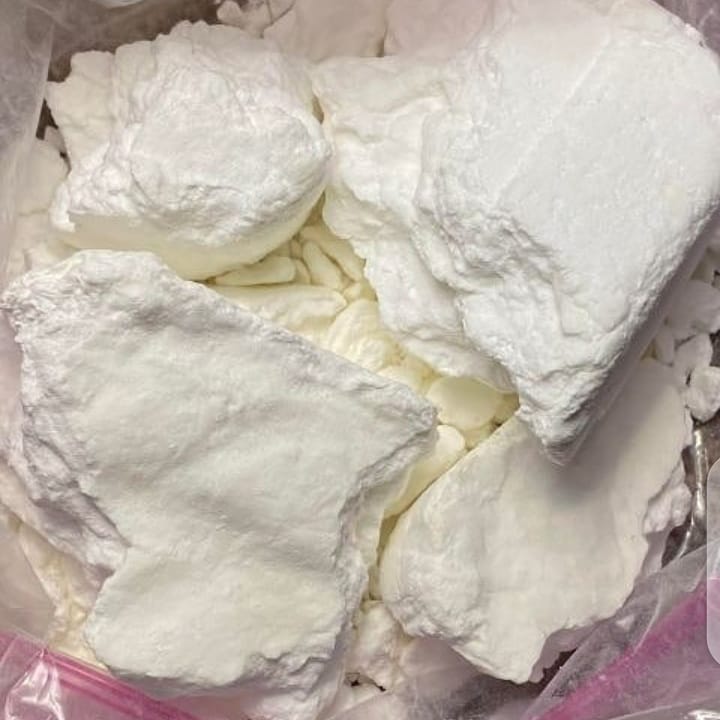
Mexican Cocaine: What the Term Means and What Australians Should Know
What Does “Mexican Cocaine” Mean?
“Buy Mexican cocaine” is not a recognised medical classification or guarantee of cocaine origin or purity.
The phrase may be used informally to describe cocaine that is claimed to have a connection with Mexico. However, a geographical label does not establish where a particular sample originated, how it was manufactured, or what substances it contains.
Cocaine itself is produced from coca plants native to South America and is classified as a stimulant drug.
Cocaine Composition Can Vary
Illicit cocaine is not produced under pharmaceutical quality controls.
Australian health authorities warn that cocaine can be mixed or “cut” with other substances. Consequently, users may not know the actual strength or composition of a particular batch.
Therefore, descriptions such as “Mexican,” “premium,” or “high purity” should not be interpreted as laboratory verification.
Potential Effects of Cocaine
Cocaine is a central nervous system stimulant. It can produce increased alertness, energy, confidence and euphoria.
Unwanted effects can include anxiety, agitation, paranoia, headaches, dizziness, increased heart rate, elevated blood pressure and increased body temperature.
The effects can vary according to the substance’s composition, strength, individual health and whether other drugs are involved.
Health Risks
Cocaine places significant stress on the cardiovascular and nervous systems.
Serious complications can include seizures, stroke, heart attack, cardiac arrest and psychosis. Regular use can also contribute to dependence, high blood pressure, heart disease and other long-term health problems.
Unknown or Adulterated Cocaine
One major concern with illicit cocaine is uncertainty about its contents.
A product may contain other stimulants, anaesthetics, cutting agents or unexpected psychoactive substances. This can make the effects difficult to predict and increase the risk of poisoning or overdose.
For this reason, an online description or claimed country of origin should never be considered proof of chemical composition.
Mixing Cocaine With Other Drugs
Combining cocaine with other drugs can substantially increase risks.
Australian health information warns that combinations involving cocaine and other stimulants can place additional strain on the cardiovascular system. Cocaine combined with alcohol, opioids or benzodiazepines can also increase overdose risks.
Some recreational drugs and antidepressant medicines can also contribute to serotonin toxicity when combined with cocaine or other substances.
Cocaine Overdose Symptoms
A cocaine overdose can become life-threatening.
Warning signs can include severe anxiety or agitation, chest pain, hallucinations, tremors, vomiting, breathing abnormalities, seizures, stroke and serious heart problems.
If someone develops serious symptoms after taking cocaine or an unknown stimulant, call 000 immediately for emergency medical assistance.
Cocaine and Australian Law
Cocaine is an illegal drug in Australia. Australian laws cover possession, use, production and supply of illicit drugs, with penalties varying between jurisdictions.
Online availability or advertising does not make cocaine legal or establish that a product is authentic.
Getting Support in Australia
Cocaine dependence can be difficult to manage without support. Australian health services recommend speaking with a doctor or alcohol and other drug service when cocaine use is affecting health, relationships, employment or everyday life.
The Alcohol and Drug Foundation also provides confidential information through Australia’s National Alcohol and Other Drug Hotline on 1800 250 015.
Conclusion/ Where to buy Mexican cocaine
“Mexican cocaine” is an informal description rather than a reliable measure of cocaine’s origin, purity or strength.
Because illicit cocaine can contain unexpected substances, geographic or marketing claims cannot establish what a particular sample contains. Australian health information therefore emphasises awareness of stimulant risks, recognising overdose symptoms and seeking professional or emergency assistance when necessary.
Reviews
There are no reviews yet.